
 Water Pollution
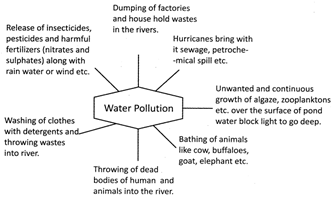
Water is an essential component of all forms of life. It is odorless, colorless and transparent liquid. It has the capacity to dissolve maximum substances in it and hence is used as a universal solvent. But now a days due to human activities, over population, industrialization and unawareness, the smell, odur and unique quality of water is being contaminated, which is called water pollution.
Water Pollution
Water is an essential component of all forms of life. It is odorless, colorless and transparent liquid. It has the capacity to dissolve maximum substances in it and hence is used as a universal solvent. But now a days due to human activities, over population, industrialization and unawareness, the smell, odur and unique quality of water is being contaminated, which is called water pollution.
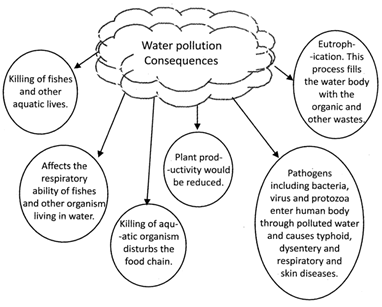
 Consequences of Water pollution
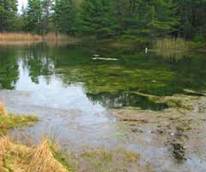
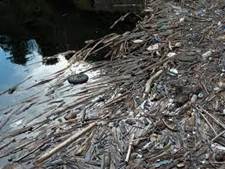 Eutrophic lake - a threat to aquatic life Water contamination leads to untimely death of aquatic lives
 Polluted water causes disease
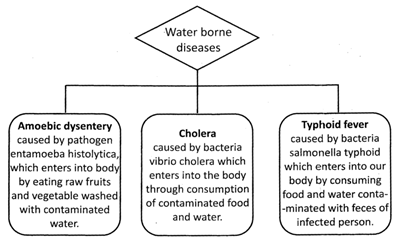
Water borne diseases can spread through contaminated water. Contaminated water contains pathogenic microorganisms.
Polluted water causes disease
Water borne diseases can spread through contaminated water. Contaminated water contains pathogenic microorganisms.
 How to minimize water pollution
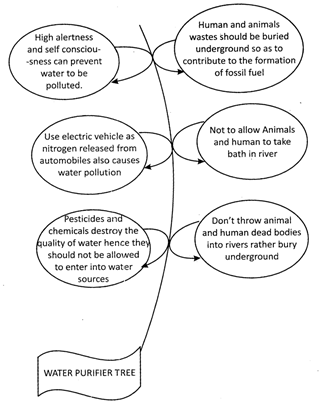
Look at the following chart to understand the method by which we can minimize water pollution:
How to minimize water pollution
Look at the following chart to understand the method by which we can minimize water pollution:
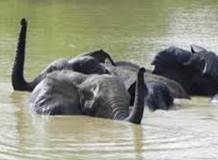 Bathing animals in water sources should be stopped
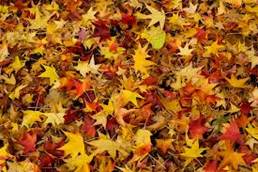 Bury dead leaves

 Which one of the following is a factor of water pollution?
(a) Factory's wastes
(b) Pesticides, insecticides, weedicides
(c) Untreated sewage
(d) All of these
(e) None of these
Answer: (d)
Explanation
Factory's wastes. Pesticides, insecticides, weedicides and untreated sewage all are the factors of water pollution. Therefore, option (d) is correct and rest of the options is incorrect.
What may be the consequences of water pollution?
(a) Killing of aquatic animals
(b) Disturbance in the ecological balance
(c) Disturbance in the food chain
(d) All of these
(e) None of these
Answer: (d)
Explanation
All are the possible consequences of water pollution that have been given in the option A, B, and C. Therefore, option (d) is correct and rest of the options is incorrect..
Which one of the following is a factor of water pollution?
(a) Factory's wastes
(b) Pesticides, insecticides, weedicides
(c) Untreated sewage
(d) All of these
(e) None of these
Answer: (d)
Explanation
Factory's wastes. Pesticides, insecticides, weedicides and untreated sewage all are the factors of water pollution. Therefore, option (d) is correct and rest of the options is incorrect.
What may be the consequences of water pollution?
(a) Killing of aquatic animals
(b) Disturbance in the ecological balance
(c) Disturbance in the food chain
(d) All of these
(e) None of these
Answer: (d)
Explanation
All are the possible consequences of water pollution that have been given in the option A, B, and C. Therefore, option (d) is correct and rest of the options is incorrect..  Soil Pollution
Excessive, unorganized agriculture and no judicious use of chemical fertilizers, pesticides, weedicides, herbicides and insecticides etc contaminate the soil which is called soil pollution. Polluted soil leads to the growth of polluted plants and this toxicity finally enters the human/ animal's body through food chain.
Soil Pollution
Excessive, unorganized agriculture and no judicious use of chemical fertilizers, pesticides, weedicides, herbicides and insecticides etc contaminate the soil which is called soil pollution. Polluted soil leads to the growth of polluted plants and this toxicity finally enters the human/ animal's body through food chain.
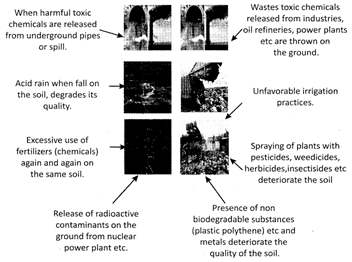
 Causes of Soil Pollution
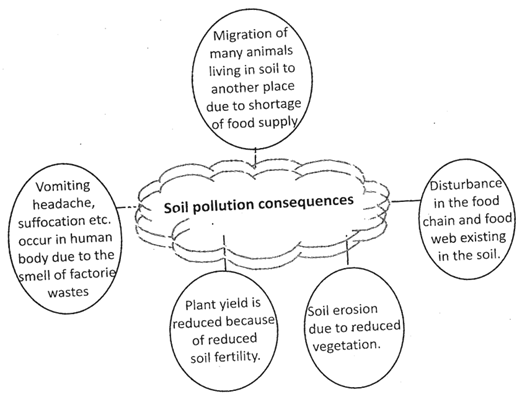
 Consequences of Soil Pollution
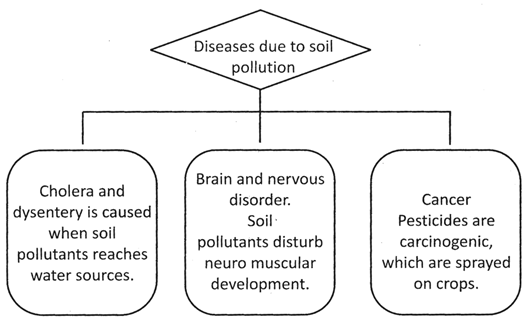
 Polluted Soil Causes Disease
 How can we maintain the quality of soil?
Look at the following chart to understand the method by which, we can maintain the quality of soil
How can we maintain the quality of soil?
Look at the following chart to understand the method by which, we can maintain the quality of soil
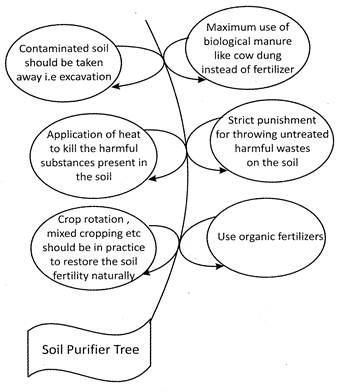
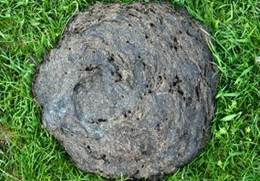 Cow dung adds organic matter to the soil to enrich soil fertility
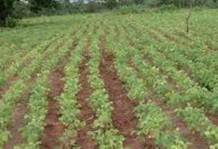 Crop rotation – growing leguminous plants alternatively with cereals to maintain nutrients deficiency in the soil naturally

 Find the statement which is true about soil pollution?
(a) Brain and nerve can be damaged due to soil pollution
(b) Malaria is caused by the protozoa that live in soil
(c) Metals, pesticides, solvents, lead and oil spills are soil contaminants
(d) Deforestation leads to soil pollution
(e) All of these
Answer: (e)
Explanation
Soil pollution causes many diseases. Hence, all the statements in the options are true. Therefore, option (e) is correct and rest of the options is incorrect.
Consider the following statements:
Statement 1: Climate of a region is affected due to soil pollution.
Statement 2: Climate of a region is not affected due to soil pollution.
Which one of the following is correct about the above statements?
(a) Statement 1 is true and 2 is false
(b) Statement 1 is false and 2 is true
(c) Both statements are true
(d) Both statements are false
(e) None of these
Answer; (a)
Explanation
Soil pollution affects vegetation which in turn affects climate. Therefore, option (a) is correct and rest of the options is incorrect..
Find the statement which is true about soil pollution?
(a) Brain and nerve can be damaged due to soil pollution
(b) Malaria is caused by the protozoa that live in soil
(c) Metals, pesticides, solvents, lead and oil spills are soil contaminants
(d) Deforestation leads to soil pollution
(e) All of these
Answer: (e)
Explanation
Soil pollution causes many diseases. Hence, all the statements in the options are true. Therefore, option (e) is correct and rest of the options is incorrect.
Consider the following statements:
Statement 1: Climate of a region is affected due to soil pollution.
Statement 2: Climate of a region is not affected due to soil pollution.
Which one of the following is correct about the above statements?
(a) Statement 1 is true and 2 is false
(b) Statement 1 is false and 2 is true
(c) Both statements are true
(d) Both statements are false
(e) None of these
Answer; (a)
Explanation
Soil pollution affects vegetation which in turn affects climate. Therefore, option (a) is correct and rest of the options is incorrect..  Noise Pollution
It is the loud unwanted and undesirable sound. Sound at 80 decibel or more gives unpleasant experience and regarded as noise pollution. 90% of noise pollution is due to the noise produced by the motor vehicles etc.
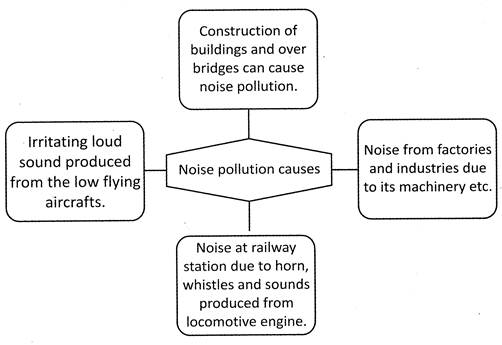
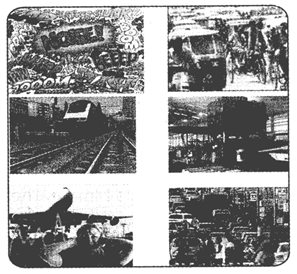
Look at the following picture of the causes of noise pollution:
Noise Pollution
It is the loud unwanted and undesirable sound. Sound at 80 decibel or more gives unpleasant experience and regarded as noise pollution. 90% of noise pollution is due to the noise produced by the motor vehicles etc.
Look at the following picture of the causes of noise pollution:
 Classification of Sound in Decibel (db)
Sounds Decibel (db)
Normal talking 40 db
Whisper 20 db
Aircraft 120 db
Atomic explosion 200 db
Intensity of sound greater than 80 db causes noise pollution.
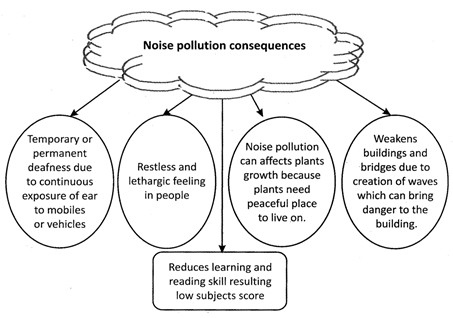
Consequences of Noise Pollution
Classification of Sound in Decibel (db)
Sounds Decibel (db)
Normal talking 40 db
Whisper 20 db
Aircraft 120 db
Atomic explosion 200 db
Intensity of sound greater than 80 db causes noise pollution.
Consequences of Noise Pollution
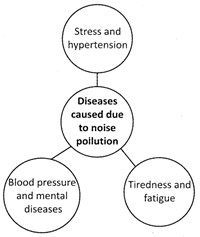
 Noise Causes Disease
 Our ears are sensible organs which work properly on a specific range of sound.
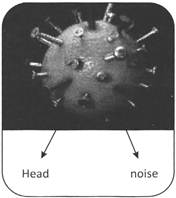
The brain receives the incoming signal from the ears and analyze it. If the intensity of sound increases, it can damage the nervous system and ultimately may lead to hearing loss. The intensity of sound, which is greater than the sensible capacity of our ears is called loud and unpleasant sound. The effect of unpleasant sound on our head is just like inserting nails in the sensitive head.
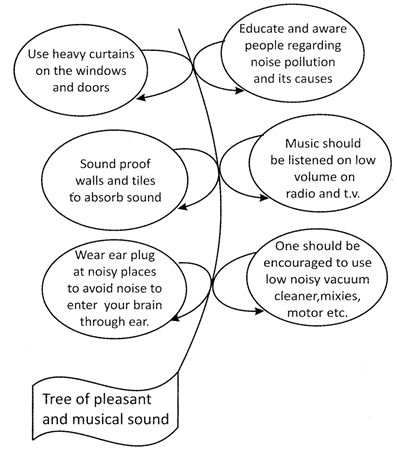
How to Protect Ourselves from Unpleasant Sound
Look at the following table to understand the method by which, we can protect ourselves from unpleasant sound::
Our ears are sensible organs which work properly on a specific range of sound.
The brain receives the incoming signal from the ears and analyze it. If the intensity of sound increases, it can damage the nervous system and ultimately may lead to hearing loss. The intensity of sound, which is greater than the sensible capacity of our ears is called loud and unpleasant sound. The effect of unpleasant sound on our head is just like inserting nails in the sensitive head.
How to Protect Ourselves from Unpleasant Sound
Look at the following table to understand the method by which, we can protect ourselves from unpleasant sound::

 Arwin is playing violin and his sister Tina is listening music from the loudspeaker. Which one of the two children is creating more noise pollution as compare to other?
(a) Arwin
(b) Tina
(c) Both Arwin and Tina
(d) Neither Arwin nor Tina
(e) None of these
Answer: (b)
Explanation
Sound of violin is pleasant but sound of a loudspeaker is always noise because it is at high more...
Arwin is playing violin and his sister Tina is listening music from the loudspeaker. Which one of the two children is creating more noise pollution as compare to other?
(a) Arwin
(b) Tina
(c) Both Arwin and Tina
(d) Neither Arwin nor Tina
(e) None of these
Answer: (b)
Explanation
Sound of violin is pleasant but sound of a loudspeaker is always noise because it is at high more...  Rock Cycle
The rock cycle involves the formation, alteration by weathering and then formation of rock again. All the process occurs simultaneously.
Rock Cycle
The rock cycle involves the formation, alteration by weathering and then formation of rock again. All the process occurs simultaneously.
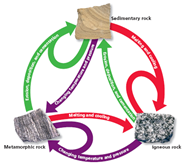
 Weathering of Rocks
Weathering of rocks takes long time. After weathering, rocks are converted into soil.
1. Strong desert winds 2. Flowing water
Weathering of Rocks
Weathering of rocks takes long time. After weathering, rocks are converted into soil.
1. Strong desert winds 2. Flowing water

 3. Ocean tides 4. Glaciers

 Mineral
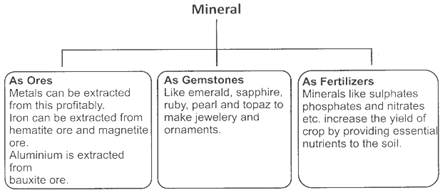
A mineral is composed of an element or a chemical combination of elements. For example, Silica is a mineral made up of oxygen, silicon and a small amount of other elements.
Mineral
A mineral is composed of an element or a chemical combination of elements. For example, Silica is a mineral made up of oxygen, silicon and a small amount of other elements.
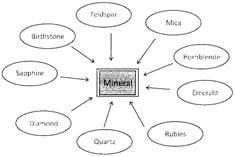


 Gemstone is a naturally occurring beautiful and attractive mineral which has immense demand in jewellery making. These minerals are cut and polished for making the jewellery.
Recycling of Minerals
Useful minerals are not in huge quantity. They are available in limited quantity hence they are recycled from scrap.
Metals can be recycled again and again from scrap without degradation of its properties.
Uses of Mineral
Gemstone is a naturally occurring beautiful and attractive mineral which has immense demand in jewellery making. These minerals are cut and polished for making the jewellery.
Recycling of Minerals
Useful minerals are not in huge quantity. They are available in limited quantity hence they are recycled from scrap.
Metals can be recycled again and again from scrap without degradation of its properties.
Uses of Mineral
 Difference between mineral and Rock
| Mineral | Rock | ||||||||||||||||||||||||||||
| Pure in state | Contain more than 1 mineral | ||||||||||||||||||||||||||||
| Look attractive | Not attractive | ||||||||||||||||||||||||||||
more...
 Rocks and Minerals Rocks and Minerals
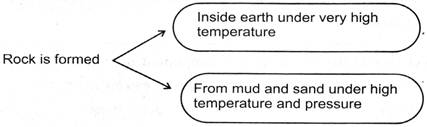
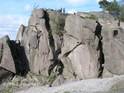 Lithosphere Lithosphere of the earth mainly consists of rocks and soil. Rocks and soil both are natural resources. Rocks are made up of grains called minerals. One or more than one minerals are present in one kind of rock. Minerals can be seen or can't be seen with the naked eyes. Minerals are very important natural resource as they contain ores, from which metals and non-metals can be obtained profitably.
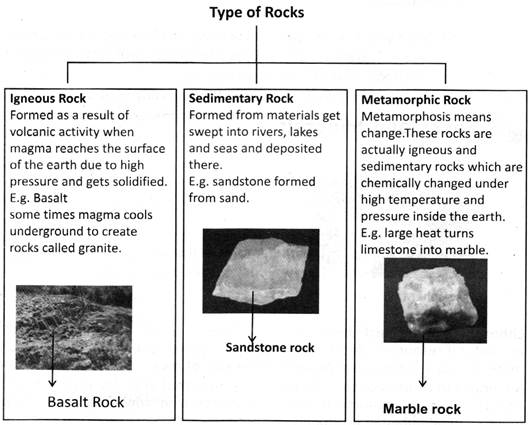
 Types of Rocks Types of Rocks
|


 Soil Erosion
Removal of the top fertile layer of the soil due to weathering is called soil erosion. Heavy rain fall and wind are the cause of soil erosion.
Soil Erosion
Removal of the top fertile layer of the soil due to weathering is called soil erosion. Heavy rain fall and wind are the cause of soil erosion.
 Soil Erosion by Wind
Particles from the top layer of the soil are lifted up by the Wind to carry it to some other place. This type of erosion of soil generally occurs in arid regions with little vegetation or no vegetation.
Soil Erosion by Wind
Particles from the top layer of the soil are lifted up by the Wind to carry it to some other place. This type of erosion of soil generally occurs in arid regions with little vegetation or no vegetation.
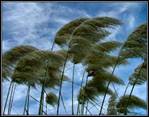

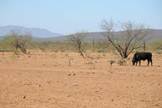
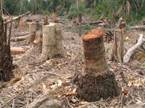 Deforestation causes desertification
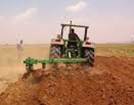 Deep ploughing makes the soil very loose
 We can reduce soil erosion by planting trees as the roots of the plants hold the top fertile layer of the soil firmly.
 Embankment reduces the speed of water waves
 Soil
Soil is the uppermost layer of the earth's surface which is made up of the particles of rocks, humus, air and water. Soil contains nutrients and water for the survival of plants. The product, after the process of photosynthesis is glucose, which is made by the plant in the presence of carbon dioxide and Sun rays. The leaves of the plant trap Sun rays and carbon dioxide from the atmosphere. The other necessary nutrients such as, water and minerals are absorbed by the root from the soil. Therefore, the growth of the plant depends on the quality of soil.
Soil
Soil is the uppermost layer of the earth's surface which is made up of the particles of rocks, humus, air and water. Soil contains nutrients and water for the survival of plants. The product, after the process of photosynthesis is glucose, which is made by the plant in the presence of carbon dioxide and Sun rays. The leaves of the plant trap Sun rays and carbon dioxide from the atmosphere. The other necessary nutrients such as, water and minerals are absorbed by the root from the soil. Therefore, the growth of the plant depends on the quality of soil.

 Formation of Soil
Soil is formed from rocks by weathering. Rocks are broken down into small pieces due to heat of the Sun, wind, snow, rain and natural events like earthquakes to form soil. Soil formation as well as fossil fuel formation is a very slow process. It takes millions of years to form particles of soil from rocks. Roots of few plants can also break rocks by penetrating deep into the space of rocks.
Formation of Soil
Soil is formed from rocks by weathering. Rocks are broken down into small pieces due to heat of the Sun, wind, snow, rain and natural events like earthquakes to form soil. Soil formation as well as fossil fuel formation is a very slow process. It takes millions of years to form particles of soil from rocks. Roots of few plants can also break rocks by penetrating deep into the space of rocks.
 Weathering of rocks due to flowing water
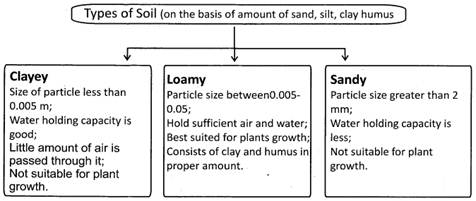
 Top soil or A-horizon is dark in colour and rich in minerals and humus. This layer is soft, porous and can retain water. Plants grow in this layer. This layer is beneficial for worms, beetles, rabbit, rats and moles as it provides shelter to these organisms. Sub soil or B horizon lies below the top soil. It is grey or red in color. It is comparatively harder and made up of hard broken pieces of rocks. A type of rock which is called Bed rock is found below the surface of the earth. Bed rock consists of hard non porous rocks.




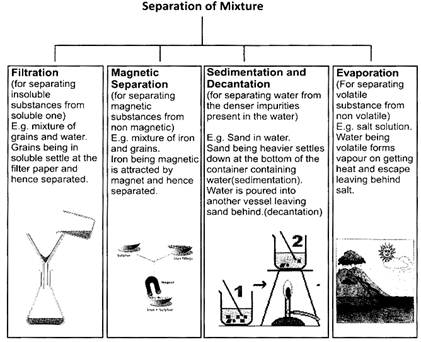
 Separation of mixture
 LIQUID
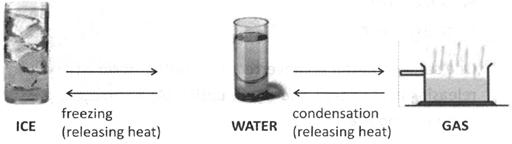 The above mentioned examples are physical change that can be brought back either by giving or loosing heat- Physical change is reversible. Burning of paper is a chemical change as ash can't be brought back to paper by any means. Chemical change is irreversible.
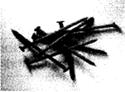
 Rusting of Iron Burning Paper
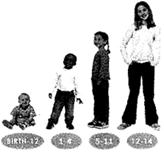 Growth from an infant to an adult is an irreversible change.

 Which of the following plays an important role In the process of changing one state of matter into another?
(a) Heat
(b) Volume
(c) Mass
(d) Density
(e) None of these
Answer: (a)
Explanation
One state of matter is converted into another form either by taking or releasing heat energy. Therefore, option (a) is correct and rest of the options is incorrect.
Which of the following plays an important role In the process of changing one state of matter into another?
(a) Heat
(b) Volume
(c) Mass
(d) Density
(e) None of these
Answer: (a)
Explanation
One state of matter is converted into another form either by taking or releasing heat energy. Therefore, option (a) is correct and rest of the options is incorrect.
 Which one of the following is an example of liquid state of matter?
(a) Air
(b) Soil
(c) Water
(d) All of these
(e) None of these
Answer; (c)
Explanation
Water is an example of liquid stale of matter. Therefore, option (c) is correct and rest of the options is incorrect.
Which one of the following is an example of liquid state of matter?
(a) Air
(b) Soil
(c) Water
(d) All of these
(e) None of these
Answer; (c)
Explanation
Water is an example of liquid stale of matter. Therefore, option (c) is correct and rest of the options is incorrect.  Introduction
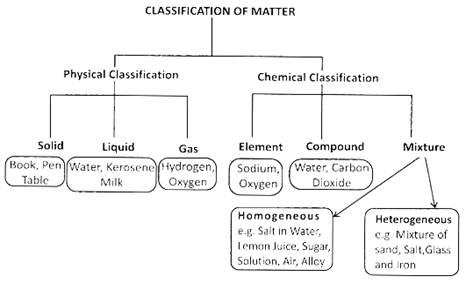
Everything, which we see around us is called the matter. Matter is made up of atoms and atoms are made up of electrons, protons, and neutrons. There are three states of matter, solid, liquid and gas. The properties of solid, liquid and gas states of a same matter are different. The atoms in the solid are tightly packed in comparison to the structure of atoms in liquid and gas. In this chapter, we will study about the properties of different types of matter.
Introduction
Everything, which we see around us is called the matter. Matter is made up of atoms and atoms are made up of electrons, protons, and neutrons. There are three states of matter, solid, liquid and gas. The properties of solid, liquid and gas states of a same matter are different. The atoms in the solid are tightly packed in comparison to the structure of atoms in liquid and gas. In this chapter, we will study about the properties of different types of matter.
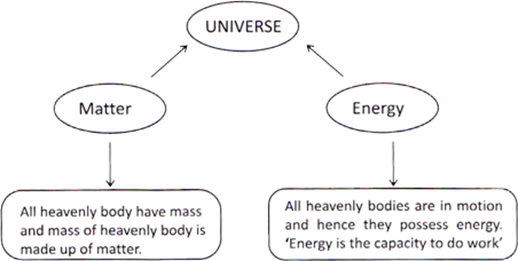
 Properties of Three States of Matter