
 Laws of Reflection
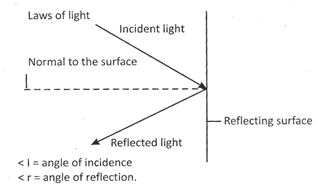 According to the law of reflection:
Angle of incidence = Angle of reflection.
Incident ray, reflected ray and normal ray all lie on the same plane.
Incident ray is the light that strikes the mirror. Angle formed between incident ray and normal to the surface is called angle of incidence.
Reflected ray is the ray of light that gets reflected back after striking the surface.
The angle formed between reflected ray and normal to the surface is called angle of reflection.
Number of images formed between two plane mirrors when placed at an angle, where, N = Number of images formed.
According to the law of reflection:
Angle of incidence = Angle of reflection.
Incident ray, reflected ray and normal ray all lie on the same plane.
Incident ray is the light that strikes the mirror. Angle formed between incident ray and normal to the surface is called angle of incidence.
Reflected ray is the ray of light that gets reflected back after striking the surface.
The angle formed between reflected ray and normal to the surface is called angle of reflection.
Number of images formed between two plane mirrors when placed at an angle, where, N = Number of images formed. = Angle between the mirrors.
Then, Number of images formed
= Angle between the mirrors.
Then, Number of images formed  if
if  is given
And, Number of images formed
is given
And, Number of images formed  if is odd.
Source of Light
In old days people used fires, oils and candle for lightening. But today due to rapid development in the field of science, we use electricity or gas.
if is odd.
Source of Light
In old days people used fires, oils and candle for lightening. But today due to rapid development in the field of science, we use electricity or gas.

 Lantern burn with kerosene Electric Bulb
Some living organisms like fireflies, glow worms, also some plants and moulds glow with light. But heat is not produced along with light and hence they give the sensation of cold light.
Lantern burn with kerosene Electric Bulb
Some living organisms like fireflies, glow worms, also some plants and moulds glow with light. But heat is not produced along with light and hence they give the sensation of cold light.
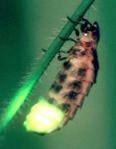 Glow worm glows with the chemical energy inside its body
Nature of image formed by a plane mirror
Glow worm glows with the chemical energy inside its body
Nature of image formed by a plane mirror
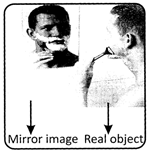 The size of the object and its image is same.
The image is formed behind the mirror at the same distance as the object is placed in front of it.
Left right inversion is seen in mirror.
Image formed by plane mirror is erect.
Refraction of Light
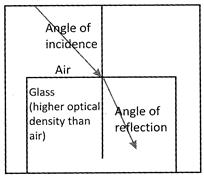
When light rays enters from one medium to another medium, bending of ray of light takes place either towards normal, or away from the normal due to difference in the speed of light in different medium.
Look at the following picture of refraction of light in glass:
The size of the object and its image is same.
The image is formed behind the mirror at the same distance as the object is placed in front of it.
Left right inversion is seen in mirror.
Image formed by plane mirror is erect.
Refraction of Light
When light rays enters from one medium to another medium, bending of ray of light takes place either towards normal, or away from the normal due to difference in the speed of light in different medium.
Look at the following picture of refraction of light in glass:
 Look at the following picture of refraction of light in water:
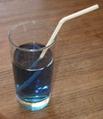 Straw appears bent when put obliquely in water due to refraction of light
Water and air are two different medium. Hence light rays are refracted towards normal due to change in the speed of light on entering different medium i.e. water.
Stars appear twinkling. Sun appears bigger during sun set or sun rise and visibility more...
Straw appears bent when put obliquely in water due to refraction of light
Water and air are two different medium. Hence light rays are refracted towards normal due to change in the speed of light on entering different medium i.e. water.
Stars appear twinkling. Sun appears bigger during sun set or sun rise and visibility more...  Properties of Light
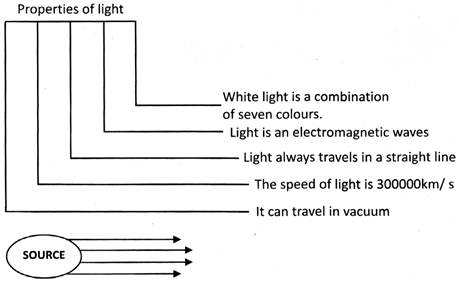 Light Rays Travel in Straight Line (Rectilinear Propagation)
During thunderstorm and lightening, lightening is seen before we hear thunder, because light reaches the surface first than sound. Speed of light is 3x10⁸ m/s and the speed of sound is 340 m/s.
Light Rays Travel in Straight Line (Rectilinear Propagation)
During thunderstorm and lightening, lightening is seen before we hear thunder, because light reaches the surface first than sound. Speed of light is 3x10⁸ m/s and the speed of sound is 340 m/s.
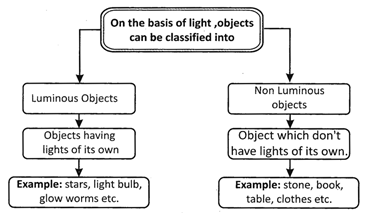 Look at the following pictures of luminous objects:
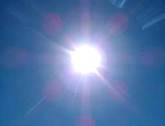
 Object emitting its own light Bulbs of street light produce light of its own
Transparent objects: Substances which allow light to pass through it, are called transparent objects, e.g. glass, water, cellophane sheets etc.
Translucent objects: Substances which allow only certain amount of light to pass through it, and absorb rest of light are called translucent objects e.g. butter paper, smoked glass etc.
Opaque: Substances which do not allow light rays to pass through it are called opaque, e.g. stone, wood, book etc.
Reflection of Light Rays
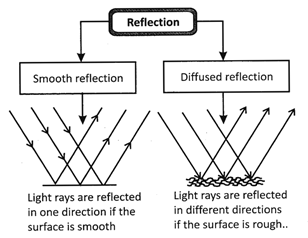
Bouncing off light rays into the same medium after striking the surface is known as reflection of light.
Object emitting its own light Bulbs of street light produce light of its own
Transparent objects: Substances which allow light to pass through it, are called transparent objects, e.g. glass, water, cellophane sheets etc.
Translucent objects: Substances which allow only certain amount of light to pass through it, and absorb rest of light are called translucent objects e.g. butter paper, smoked glass etc.
Opaque: Substances which do not allow light rays to pass through it are called opaque, e.g. stone, wood, book etc.
Reflection of Light Rays
Bouncing off light rays into the same medium after striking the surface is known as reflection of light.
 Dispersion Phenomena
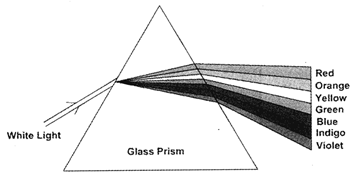 A beam of white light is dispersed into seven colours when passed through a prism as shown above. The order of colours dispersed by light is, violet, indigo, blue, green, yellow, orange, red.
Colour before violet is ultraviolet and colour obtained after red is infrared.
Both the colours, ultraviolet and infrared, are invisible to the naked eyes.
Hence, the phenomena of breaking white light into seven visible colors when passed through prism are called dispersion.
The band of seven colours obtained in the above phenomena is called spectrum.
Rainbow formation is based on the phenomenon of dispersion of light.
A beam of white light is dispersed into seven colours when passed through a prism as shown above. The order of colours dispersed by light is, violet, indigo, blue, green, yellow, orange, red.
Colour before violet is ultraviolet and colour obtained after red is infrared.
Both the colours, ultraviolet and infrared, are invisible to the naked eyes.
Hence, the phenomena of breaking white light into seven visible colors when passed through prism are called dispersion.
The band of seven colours obtained in the above phenomena is called spectrum.
Rainbow formation is based on the phenomenon of dispersion of light.
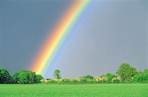 Rainbow in the sky after rain
Rainbow formation
Rainbow formation is an optical phenomenon which occurs when a ray of light is splited into seven colours from violet to red when passed through a drop of water in the sky just after rain. Rainbow is a spectrum of seven colours in the given order.
VIBGYOR .i.e. violet, indigo, blue, green, yellow, orange and red. Water droplets here acts as a prism, which disperse the white light into seven colours..
Rainbow in the sky after rain
Rainbow formation
Rainbow formation is an optical phenomenon which occurs when a ray of light is splited into seven colours from violet to red when passed through a drop of water in the sky just after rain. Rainbow is a spectrum of seven colours in the given order.
VIBGYOR .i.e. violet, indigo, blue, green, yellow, orange and red. Water droplets here acts as a prism, which disperse the white light into seven colours..  Introduction
We all have eyes to see, but we can't see anything with these eyes in dark. It means to see objects we need light. Light is a form of energy that enables us to see. The Sun is the largest source of light. Distance between the stars is measured in light year. In this chapter, we will study about the characteristic features of light and sound.
Light
A beam of white light has seven colours, which can be seen when a beam of white light is passed through a prism. When a beam of light strikes on the surface of prism, it splits into seven colours. The best example of these colour of white light is the formation of rainbow in the rain. An important property of light is that, it does not require medium to travel..
Introduction
We all have eyes to see, but we can't see anything with these eyes in dark. It means to see objects we need light. Light is a form of energy that enables us to see. The Sun is the largest source of light. Distance between the stars is measured in light year. In this chapter, we will study about the characteristic features of light and sound.
Light
A beam of white light has seven colours, which can be seen when a beam of white light is passed through a prism. When a beam of light strikes on the surface of prism, it splits into seven colours. The best example of these colour of white light is the formation of rainbow in the rain. An important property of light is that, it does not require medium to travel..  Mammals
They have hair on the body.
Mammals are warm blooded hence they can regulate temperatures.
They have sweat glands to cool the body by taking heat from the body.
Mammals give birth to young ones.
They have mammary gland to feed the young ones.
Mammals have four legs to walk on.
They have more developed brain than other.
Mammals have flippers and fins (If aquatic) instead of legs for swimming.
Mammals
They have hair on the body.
Mammals are warm blooded hence they can regulate temperatures.
They have sweat glands to cool the body by taking heat from the body.
Mammals give birth to young ones.
They have mammary gland to feed the young ones.
Mammals have four legs to walk on.
They have more developed brain than other.
Mammals have flippers and fins (If aquatic) instead of legs for swimming.
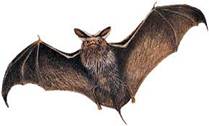
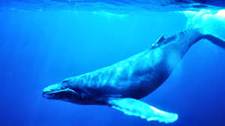 Bat is the smallest mammal size less than 2 cm Blue whale is biggest mammal of all

 Koala Seal Echinda
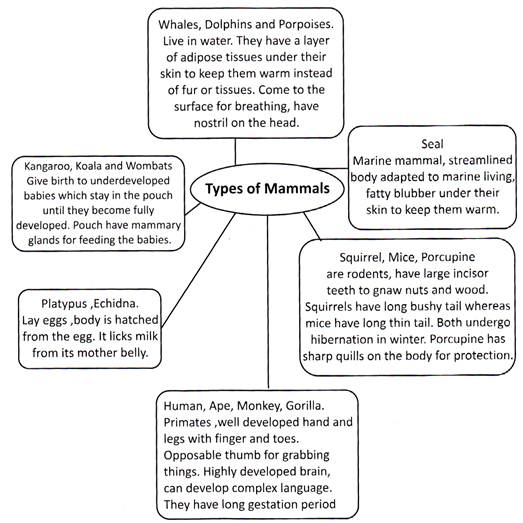
Look at the following diagram of types of Mammals
Koala Seal Echinda
Look at the following diagram of types of Mammals
 Adaptations in Mammals
 Hibernation
Squirrels, mice and polar bear etc. go underground or in burrows to avoid extreme cold condition in winter. This is an adaptation to weather.
Stripes on the Body
Tiger, Zebra, and Cheetah have stripes on their body to help them hide among grasses and leaves so that they can easily kill their prey (Adaptation for catching prey and self protection).
Hibernation
Squirrels, mice and polar bear etc. go underground or in burrows to avoid extreme cold condition in winter. This is an adaptation to weather.
Stripes on the Body
Tiger, Zebra, and Cheetah have stripes on their body to help them hide among grasses and leaves so that they can easily kill their prey (Adaptation for catching prey and self protection).
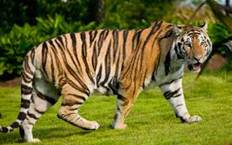 Stripes on the body for self-protection
Sharp Spines on the Body
Porcupine have sharp spines all over its body to protect themselves from their enemies (adaptation for self protection).
Stripes on the body for self-protection
Sharp Spines on the Body
Porcupine have sharp spines all over its body to protect themselves from their enemies (adaptation for self protection).
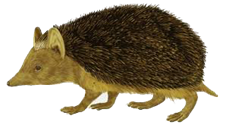 Spines on the body to themselves from enemy
Prehensile Tail and Opposable Thumb
Monkeys, Chimpanzee live on trees and have prehensile tail and opposable thumb to hold branches of the tree (Adaptation to aerial habit).
Spines on the body to themselves from enemy
Prehensile Tail and Opposable Thumb
Monkeys, Chimpanzee live on trees and have prehensile tail and opposable thumb to hold branches of the tree (Adaptation to aerial habit).
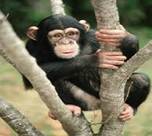 Opposable thumb to hold the branches of the tree
Feeding in Mammals
Deer, goat, cow, squirrels, rats, etc. are herbivorous, which eat only plants and plants' product. Tiger, lion, cheetah etc are carnivorous which feed on other animals like deer, goat etc. Human being is omnivorous as it eats both plants and animals.
Reproduction in Mammals
Both male and female are mainly needed sexual mode of reproduction Young ones more...
Opposable thumb to hold the branches of the tree
Feeding in Mammals
Deer, goat, cow, squirrels, rats, etc. are herbivorous, which eat only plants and plants' product. Tiger, lion, cheetah etc are carnivorous which feed on other animals like deer, goat etc. Human being is omnivorous as it eats both plants and animals.
Reproduction in Mammals
Both male and female are mainly needed sexual mode of reproduction Young ones more...  Reptiles
 are cold blooded animals having dry skin covered with scales, found everywhere except in cold places. Reptiles warm themselves in the sun shine to be active. Reptiles are air breathing animals, though many live not only on land but also in water. They have tungs for breathing. Some water reptiles absorb oxygen in water through membrane in their mouth.
Reptiles
Reptiles are cold blooded animals having dry skin covered with scales, found everywhere except in cold places. Reptiles warm themselves in the sun shine to be active. Reptiles are air breathing animals, though many live not only on land but also in water. They have tungs for breathing. Some water reptiles absorb oxygen in water through membrane in their mouth.
 Alligators and Crocodiles
Alligators and crocodiles are larger in size. They have webbed feet to walk on the land and long tail to swim in water- They are hunters with huge and lot of sharp teeth to tear their prey. Tails are long and powerful to swim in water. An alligator has a shorter snout than a crocodile.
Alligators and Crocodiles
Alligators and crocodiles are larger in size. They have webbed feet to walk on the land and long tail to swim in water- They are hunters with huge and lot of sharp teeth to tear their prey. Tails are long and powerful to swim in water. An alligator has a shorter snout than a crocodile.
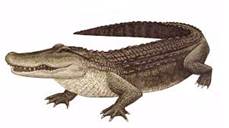 Alligator has a shorter snout
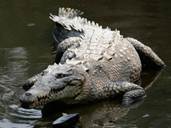 Crocodile teeth stick out when its mouth is closed
Lizard’s
3,000 species of lizard are there on the earth. They have four legs and a long tail. On getting unfavorable condition, they shed their tail which is again regenerated. Gila monster and Mexican beaded lizard are poisonous-
Crocodile teeth stick out when its mouth is closed
Lizard’s
3,000 species of lizard are there on the earth. They have four legs and a long tail. On getting unfavorable condition, they shed their tail which is again regenerated. Gila monster and Mexican beaded lizard are poisonous-
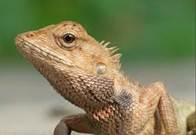 Garden lizards are found near our houses, in the garden etc.
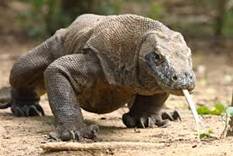 Komodo dragon is the largest lizard
Snakes
Approximately 2,500 species of snake are there on the earth. They are found everywhere, except in Antarctica. Viper is the most dangerous snake. Its poison can kill a human being. Python and boa can coil around prey and squeeze it to death. It can swallow prey larger than its size.
Komodo dragon is the largest lizard
Snakes
Approximately 2,500 species of snake are there on the earth. They are found everywhere, except in Antarctica. Viper is the most dangerous snake. Its poison can kill a human being. Python and boa can coil around prey and squeeze it to death. It can swallow prey larger than its size.
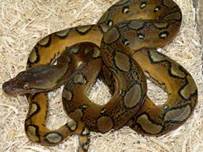 Reticulated python is the world largest snake
Snakes don't have limbs and move by slithering around the ground. Snakes shed their skin if damaged and worn out. This process is called molting. Many species of snakes are found in sea. Black mamba is the fastest snake which lives in Africa. Its speed is 11 km/h. Snakes have teeth but not for the chewing and hence it swallows its prey.
Reticulated python is the world largest snake
Snakes don't have limbs and move by slithering around the ground. Snakes shed their skin if damaged and worn out. This process is called molting. Many species of snakes are found in sea. Black mamba is the fastest snake which lives in Africa. Its speed is 11 km/h. Snakes have teeth but not for the chewing and hence it swallows its prey.
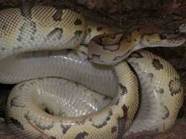 Snake undergoing molting process
Turtles and Tortoises
Tortoises are very slow moving reptiles. Tortoise lives on land and turtles live in water. They have the life span of about 150 years.
Snake undergoing molting process
Turtles and Tortoises
Tortoises are very slow moving reptiles. Tortoise lives on land and turtles live in water. They have the life span of about 150 years.
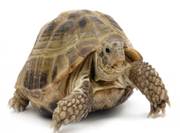 The leather back is the largest of all turtle
Feeding in Reptiles
Alligators and Crocodiles are carnivorous. They eat birds, giraffes, insects, spider or anything that comes in their way.
Turtles eat aquatic creatures like snails, shrimps, sea grass and jelly fish etc.
All snakes more...
The leather back is the largest of all turtle
Feeding in Reptiles
Alligators and Crocodiles are carnivorous. They eat birds, giraffes, insects, spider or anything that comes in their way.
Turtles eat aquatic creatures like snails, shrimps, sea grass and jelly fish etc.
All snakes more...  Birds
Animals, which live mostly in air and have feathers and wings are called as Birds. All birds have wings but not all birds can fly. Millions of year ago some birds went back to sea and their feathers are adapted according to water to help them in swimming.
More than 9,000 kinds of birds are present today. The size of birds varies from the largest African ostrich (taller than and man) to the smallest humming bird of 3 - 4 cm length.
Look at the parts of body of a bird in the following picture:
Birds
Animals, which live mostly in air and have feathers and wings are called as Birds. All birds have wings but not all birds can fly. Millions of year ago some birds went back to sea and their feathers are adapted according to water to help them in swimming.
More than 9,000 kinds of birds are present today. The size of birds varies from the largest African ostrich (taller than and man) to the smallest humming bird of 3 - 4 cm length.
Look at the parts of body of a bird in the following picture:
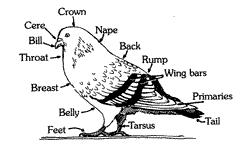 General Features of Birds
They have light and hollow strong bones and skull.
Birds have hard beak or bill instead of teeth or mouth.
They are not very big in size, except few.
They have wings covered with feathers, instead of hand.
Tail of bird is made up of feathers.
They have boat shaped body to fly easily in air.
Birds have strong flight muscles to move the wings up and down.
They are warm blooded.
The tail of a bird acts like the rudder of a boat to change the direction during flight.
Respiratory system welt developed to breathe at high altitudes where air is thinner.
When wings of bird move upwards called upstroke movement. When wings move downwards called down stroke movement.
There are more than 9,000 species of birds.
Look at the following table of types of birds:
General Features of Birds
They have light and hollow strong bones and skull.
Birds have hard beak or bill instead of teeth or mouth.
They are not very big in size, except few.
They have wings covered with feathers, instead of hand.
Tail of bird is made up of feathers.
They have boat shaped body to fly easily in air.
Birds have strong flight muscles to move the wings up and down.
They are warm blooded.
The tail of a bird acts like the rudder of a boat to change the direction during flight.
Respiratory system welt developed to breathe at high altitudes where air is thinner.
When wings of bird move upwards called upstroke movement. When wings move downwards called down stroke movement.
There are more than 9,000 species of birds.
Look at the following table of types of birds:
| Flightless Birds | Water birds | Walking flying at low height | Birds flying at great heights | Birds flying at great heights |
| Kiwi | Ducks | Hen | Sparrow | more...
 Fishes
 are our very distant ancestors. These are believed to be first veterebrates, came into being about 550 millions years ago. Those were extremely different from what we see today, those were without Jaw. They did not have bones in their mouth. During this 550 million years, they have taken many different shapes, and varied into some dangerous fishes. Some fishes developed electrical and chemical weapons, some took giant shape and some other developed strong jaw and sharp teeth. Since their origin, they have been adapting the varied conditions of the earth and in spite of extinct of Dinosaur, they have been maintained their existence successfully. Fishes
Fishes are our very distant ancestors. These are believed to be first veterebrates, came into being about 550 millions years ago. Those were extremely different from what we see today, those were without Jaw. They did not have bones in their mouth. During this 550 million years, they have taken many different shapes, and varied into some dangerous fishes. Some fishes developed electrical and chemical weapons, some took giant shape and some other developed strong jaw and sharp teeth. Since their origin, they have been adapting the varied conditions of the earth and in spite of extinct of Dinosaur, they have been maintained their existence successfully.
 Parts and Features of Fish Body Parts and Features of Fish Body
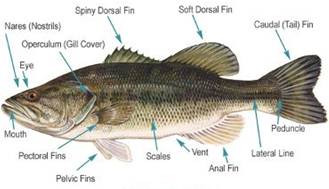 Fishes have fins and tails which provide movement and balance in water while swimming. A fish move forward by pushing water backwards with fins and its tails,
Fishes possess gills, a special organ to take in oxygen dissolved in water.
More than 20,000 kinds of fishes are there on the earth, because % part of the earth is covered with water, which provides accommodation to fishes.
Fishes are vertebrates that have skeleton either made up of bones or cartilage.
Fishes have fins and tails which provide movement and balance in water while swimming. A fish move forward by pushing water backwards with fins and its tails,
Fishes possess gills, a special organ to take in oxygen dissolved in water.
More than 20,000 kinds of fishes are there on the earth, because % part of the earth is covered with water, which provides accommodation to fishes.
Fishes are vertebrates that have skeleton either made up of bones or cartilage.
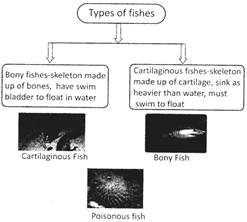 Poisonous fish: Puffer fish, it has poison in its internal organ. Almost all puffer fish contain tetrodotoxin. Tetrodotoxin is much more poisonous than cyanide.
Fastest swimming fish: They can swim with the speed of fast running vehicle. They have sleek, streamlined body to facilitate fast speed in water.
E.g. sailfish, marlin fish and tunas etc.
Look at the following pictures of different types of fishes:
Poisonous fish: Puffer fish, it has poison in its internal organ. Almost all puffer fish contain tetrodotoxin. Tetrodotoxin is much more poisonous than cyanide.
Fastest swimming fish: They can swim with the speed of fast running vehicle. They have sleek, streamlined body to facilitate fast speed in water.
E.g. sailfish, marlin fish and tunas etc.
Look at the following pictures of different types of fishes:
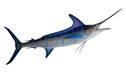 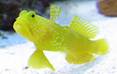  Marlin fish Pygmy goby fish Shark fish
[Note: Piranha is the most dangerous and aggressive fish in the world found in freshwater. They can even kit and eat flesh of big mammal in minutes with its sharp teeth when they attack in group]
Feeding habit: Small fishes eat plants and big fishes like shark eat other fishes.
Marlin fish Pygmy goby fish Shark fish
[Note: Piranha is the most dangerous and aggressive fish in the world found in freshwater. They can even kit and eat flesh of big mammal in minutes with its sharp teeth when they attack in group]
Feeding habit: Small fishes eat plants and big fishes like shark eat other fishes.
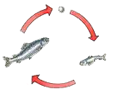
 Reproduction in fishes: Fishes reproduce by laying eggs, eggs develop into fry which after growth, changes into adult fish.

 Salinity of seawater is 3.5 %, this means that every liter of seawater contains 35 g salt. 'Fresh water fish can survive in the salty oceans and seas' the given statement is;
(a) True
(b) False
(c) Partially true
(d) Partially false
(e) None of these
Answer: (b)
Explanation
Fresh water fish has adapted to low salt condition. Salt is a desiccant, it absorbs water which leads to dehydration. more... Salinity of seawater is 3.5 %, this means that every liter of seawater contains 35 g salt. 'Fresh water fish can survive in the salty oceans and seas' the given statement is;
(a) True
(b) False
(c) Partially true
(d) Partially false
(e) None of these
Answer: (b)
Explanation
Fresh water fish has adapted to low salt condition. Salt is a desiccant, it absorbs water which leads to dehydration. more...  Introduction
There are two types of things on the earth, living and nonliving. A branch of science which deals with the study of living things is called Biology. Living things are further divided into two groups, plant kingdom and animal kingdom. On the basis of absorption of nutrients by the living organism, the organism who depends on the process of photosynthesis for their nutrition has been placed under plant kingdom, which you have studied in last chapter.
Animal Kingdom
The organism who can't perform photosynthesis, has been placed under animal kingdom. Animal has been divided into two groups on the basis of back bone. Vertebrates (with a back bone) and Invertebrates (without a backbone). In this chapter we will study about the animal kingdom (vertebrates).
Vertebrates and Invertebrates Introduction
There are two types of things on the earth, living and nonliving. A branch of science which deals with the study of living things is called Biology. Living things are further divided into two groups, plant kingdom and animal kingdom. On the basis of absorption of nutrients by the living organism, the organism who depends on the process of photosynthesis for their nutrition has been placed under plant kingdom, which you have studied in last chapter.
Animal Kingdom
The organism who can't perform photosynthesis, has been placed under animal kingdom. Animal has been divided into two groups on the basis of back bone. Vertebrates (with a back bone) and Invertebrates (without a backbone). In this chapter we will study about the animal kingdom (vertebrates).
Vertebrates and Invertebrates
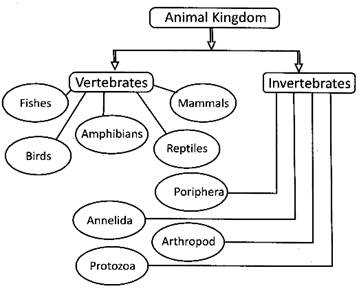
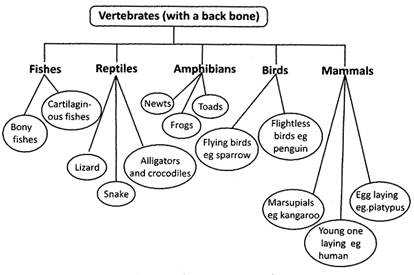
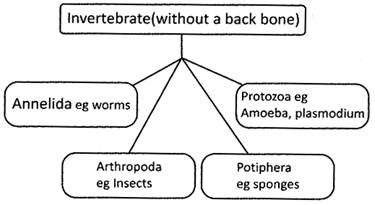 Note: Insects are the biggest group of animals on the earth. More than 1 million king of insect are there on the earth.
  Housing
People at different places build different types of houses. There are same factors on which building of houses depends.
There are:
The climate of the place
Materials used for making houses
The budget Housing
People at different places build different types of houses. There are same factors on which building of houses depends.
There are:
The climate of the place
Materials used for making houses
The budget
 Climate
In place where climate is hot, houses have thick walls and flat roofs. Thick walls keep the inside of the house cool. Flat roofs can be used by people for sleeping outdoors.
In places where it rains a lot and climate is hot and damp, houses are built on stilts. These houses, built a few feet above the ground on raised platforms, remain safe from floods. The sloping roofs of housed on hills do not allow rainwater or snow to collect and make the houses damp and cold. Most houses in cold areas have fireplaces to keep the inside of the house warm.
Material Used
Bricks and stones keep a house cool in hot places. Houses in hilly areas need to be build easily and quickly. Therefore, houses are bite of bamboo and wood. In places which have frequent earthquakes, houses are built of wood to prevent more damage in case of collapsing. Mud, bamboo and plan leaves are used to make kachcha houses or temporary house called huts. There materials are cheap and easily available. Some other common building materials are concrete, glass, iron and thatch.
Budget
Budget is the money available for building the house. A small hut requires less amount of money. Whereas, a large sum of money is required for making a permanent house. In big cities where space is very less, people builds high-rise buildings.
Building a House
The points to be remembered before, during and after the construction of a house. We should consult an architect for making a plan of the house depending upon the space available and on the needs of the people who are going to build house.
Few points to be remembered while constructing a house.
A sun-facing house gets a lot of sunlight.
The walls of the house must be strong, damp-proof and well plastered. Insects do not bread on such walls.
A house can be made safe by fitting the doors and windows with grills.
Doors and windows must be in a direction such that fresh air and sunlight can enter every room- Wire-netting should be made to prevent flies and mosquitoes entering into the house.
The floor of the house must be leveled and made smooth. It must have a good drainage system. Covered drains and outlets sea) out foul smells and germs.
We should take case of our house after the construction of houses also. The house should be kept clean. The floor of the house sold be swept every day.
The walls windows, doors and other parts of the more... Climate
In place where climate is hot, houses have thick walls and flat roofs. Thick walls keep the inside of the house cool. Flat roofs can be used by people for sleeping outdoors.
In places where it rains a lot and climate is hot and damp, houses are built on stilts. These houses, built a few feet above the ground on raised platforms, remain safe from floods. The sloping roofs of housed on hills do not allow rainwater or snow to collect and make the houses damp and cold. Most houses in cold areas have fireplaces to keep the inside of the house warm.
Material Used
Bricks and stones keep a house cool in hot places. Houses in hilly areas need to be build easily and quickly. Therefore, houses are bite of bamboo and wood. In places which have frequent earthquakes, houses are built of wood to prevent more damage in case of collapsing. Mud, bamboo and plan leaves are used to make kachcha houses or temporary house called huts. There materials are cheap and easily available. Some other common building materials are concrete, glass, iron and thatch.
Budget
Budget is the money available for building the house. A small hut requires less amount of money. Whereas, a large sum of money is required for making a permanent house. In big cities where space is very less, people builds high-rise buildings.
Building a House
The points to be remembered before, during and after the construction of a house. We should consult an architect for making a plan of the house depending upon the space available and on the needs of the people who are going to build house.
Few points to be remembered while constructing a house.
A sun-facing house gets a lot of sunlight.
The walls of the house must be strong, damp-proof and well plastered. Insects do not bread on such walls.
A house can be made safe by fitting the doors and windows with grills.
Doors and windows must be in a direction such that fresh air and sunlight can enter every room- Wire-netting should be made to prevent flies and mosquitoes entering into the house.
The floor of the house must be leveled and made smooth. It must have a good drainage system. Covered drains and outlets sea) out foul smells and germs.
We should take case of our house after the construction of houses also. The house should be kept clean. The floor of the house sold be swept every day.
The walls windows, doors and other parts of the more...  Types of Crops
Crops are plants that are grown to satisfy the various needs of people and animals like food, shelter, clothing etc. Types of Crops
Crops are plants that are grown to satisfy the various needs of people and animals like food, shelter, clothing etc.
 Food Crops
These crops are cultivated for the purpose of food. i.e. to produce carbohydrates that give energy to the body. These can also be called as energy giving crops. Crops food are the main sources of proteins and vitamins. These are rice, maize, wheat, oat, barley, vegetables, fruits etc.
Rice crops are grown in areas with high rainfall and in clayey soil.
Maize crops are grown in warm places and sandy soil etc.
Wheat is grown in sandy irrigated soil of Haryana and Punjab, Food Crops
These crops are cultivated for the purpose of food. i.e. to produce carbohydrates that give energy to the body. These can also be called as energy giving crops. Crops food are the main sources of proteins and vitamins. These are rice, maize, wheat, oat, barley, vegetables, fruits etc.
Rice crops are grown in areas with high rainfall and in clayey soil.
Maize crops are grown in warm places and sandy soil etc.
Wheat is grown in sandy irrigated soil of Haryana and Punjab,
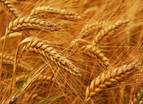 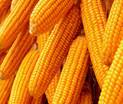 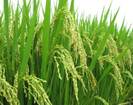 Wheat Maize Rice
Oil Producing Crops
Crops, which is cultivated to produce oil e.g. sunflower, groundnut, mustard, peanut etc. These crops also give energy to the body. Coconut is grown in sandy soil .I.e. area near beaches where there is sufficient sunlight and proper rainfall.
Wheat Maize Rice
Oil Producing Crops
Crops, which is cultivated to produce oil e.g. sunflower, groundnut, mustard, peanut etc. These crops also give energy to the body. Coconut is grown in sandy soil .I.e. area near beaches where there is sufficient sunlight and proper rainfall.
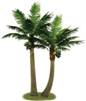 Fibre Producing Crops
These crops are cultivated to produce fibre which is used in the manufacturing of bag, rope, carpet, clothes, mats etc, for example cotton, jute. Cotton is best grown in the black soil- Madhya pradesh and Maharastra are the largest producer of cotton.
Coffee plant and tea plants are cultivated to take care of the need of drink of the people.
Tea plant in India is cultivated in the sloppy areas of Assam, West Bengal etc.
They need moist soil, extra water flows through the slopes.
Fibre Producing Crops
These crops are cultivated to produce fibre which is used in the manufacturing of bag, rope, carpet, clothes, mats etc, for example cotton, jute. Cotton is best grown in the black soil- Madhya pradesh and Maharastra are the largest producer of cotton.
Coffee plant and tea plants are cultivated to take care of the need of drink of the people.
Tea plant in India is cultivated in the sloppy areas of Assam, West Bengal etc.
They need moist soil, extra water flows through the slopes.
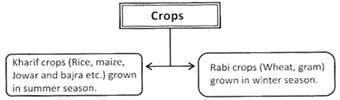 Some Important Conditions for the Growth of the Plants
Good quality and healthy seeds give rise to healthy plants.
Properly manured and ploughed soil for proper aeration.
Protection of the crops from pest using pesticides and insecticides.
Crops should be protected from the various plants diseases. It should be protected from the animals also.
Properly harvested and dry seeds should be stored to inhibit the growth of bacteria and other harmful microorganism.
Crop rotation and mixed cropping should be encouraged to maintain the soil fertility..
Some Important Conditions for the Growth of the Plants
Good quality and healthy seeds give rise to healthy plants.
Properly manured and ploughed soil for proper aeration.
Protection of the crops from pest using pesticides and insecticides.
Crops should be protected from the various plants diseases. It should be protected from the animals also.
Properly harvested and dry seeds should be stored to inhibit the growth of bacteria and other harmful microorganism.
Crop rotation and mixed cropping should be encouraged to maintain the soil fertility.. Current Affairs CategoriesArchive
Trending Current Affairs
You need to login to perform this action. |